


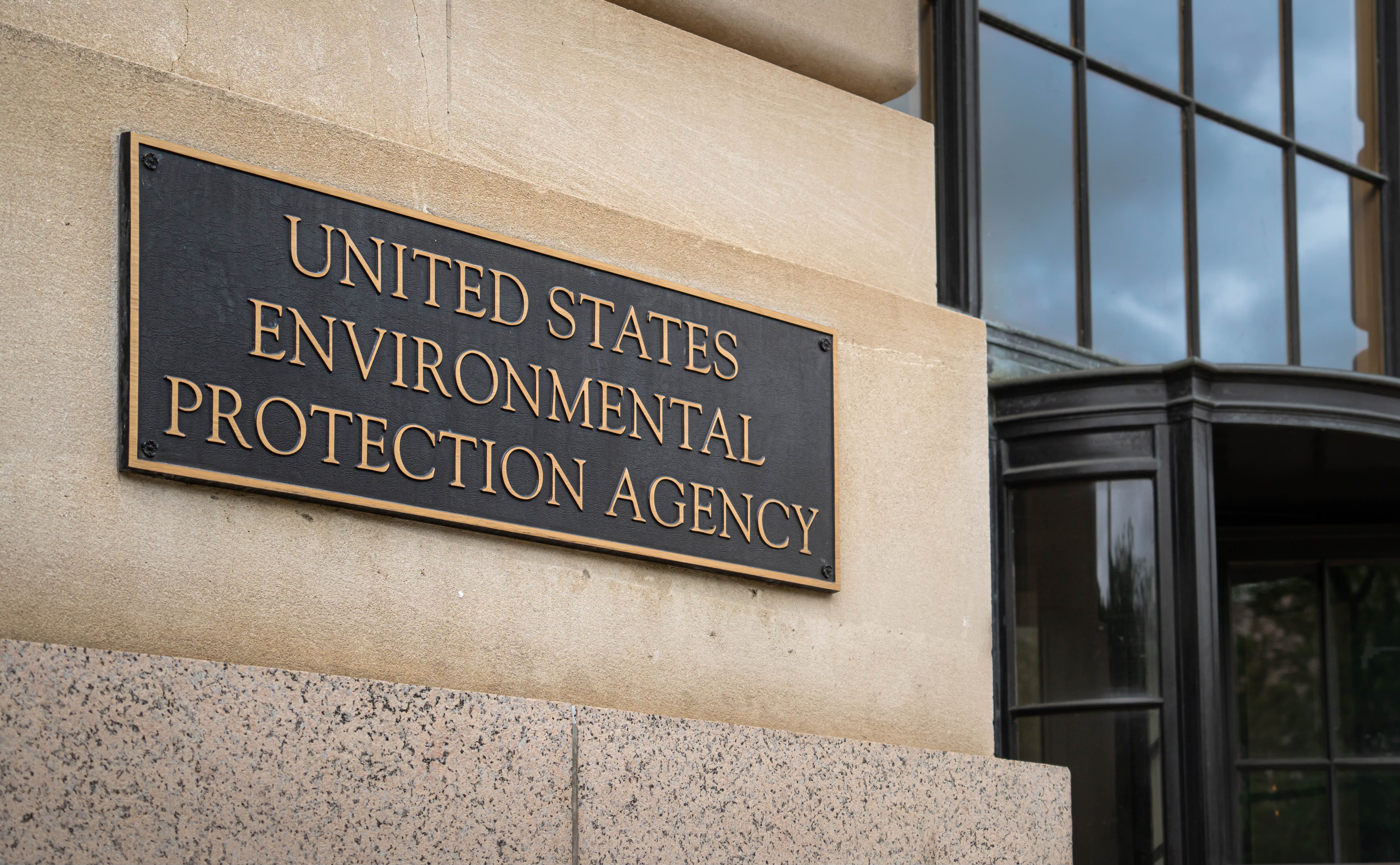
The Endangerment Finding is not just a policy document. It is the legal backbone of climate protection in the United States. Repealing it is not a bureaucratic adjustment; it is a declaration of war on science, public health, and environmental justice.
In 2009, EPA concluded that greenhouse gases endanger human health and welfare, based on mountains of peer-reviewed science and supported by landmark Supreme Court precedent. That determination gave the federal government both the authority and the obligation to limit climate pollution. For 15 years, it has been the foundation for reducing emissions from vehicles, power plants, and oil and gas operations.
Now, EPA has finalized its proposal to repeal the Endangerment Finding and, with it, the very idea that the federal government should protect people from the deadly effects of fossil fuel pollution.
Let’s be clear about what’s at stake. Without this foundational rule, climate safeguards can’t stand. This repeal strips away EPA’s ability to regulate carbon pollution, leaving emissions unchecked and communities unprotected. And, it’s not just carbon dioxide that goes unregulated; power plants and refineries that emit greenhouse gases also release co-pollutants like particulate matter, nitrogen oxides, and toxic metals, which drive up asthma rates, trigger heart attacks, and cut lives short. In fact, the administration is already taking aim at the very standards that limit these pollutants, including efforts to weaken protections under the Mercury and Air Toxics Standards and delay updated limits on fine particulate matter. These rollbacks threaten to cause thousands of premature deaths each year, disproportionately harming children, seniors, and low-income communities
We know the human cost because EPA has already calculated it.
When the agency finalized greenhouse gas standards for light-duty vehicles in 2024, it projected that the rules would:
prevent over 41,000 premature deaths between 2027 and 2055
avoid 25.5 million asthma attacks
save $13 billion annually in public health costs.
Similar standards for trucks were expected to prevent another 41,400 premature deaths by 2055, eliminate 1.1 million lost school days by 2045, and reduce emissions by nearly a billion metric tons.
Repealing the Endangerment Finding effectively erases these protections and opens the door to pollution on a mass scale.
Children will pay the price. So will seniors, frontline communities, and anyone already dealing with respiratory or cardiovascular disease. These are the very people who EPA is supposed to protect.
Instead, the agency is walking away from its core mission to serve industry interests at the expense of human lives.
The repeal also sabotages our economy. Clean energy investment depends on regulatory certainty. If you rip out the legal foundations of climate policy, you undermine every solar installation, every electric bus rollout, every methane rule that companies have already planned around. You send a message that science doesn’t matter and pollution has no price.
And, make no mistake: this is not about refining policy. It is a political stunt designed to gut environmental protections under the false flag of “energy dominance.” But, there is nothing dominant about letting fossil fuel companies dictate the future of public health. This is deregulation by design — with lethal consequences.
We’ve seen this playbook before: dismantle the law, discredit the science, and destabilize the institutions meant to protect the public. It’s not just environmental collapse. It’s democratic backsliding.
The Environmental Protection Network, made up of hundreds of former EPA officials from both parties, stands firmly against this repeal. We are calling on Congress to conduct oversight, the courts to intervene, and the public to raise its voice.
The science is clear.
The law is clear.
The consequences are deadly.
Repealing the Endangerment Finding is not just a policy choice; it is a public health crisis in the making. We must not allow political ideology to override the right to clean air, safe water, and a livable climate.
Silence is complicity. This is a moment for action.
